
Green Agate
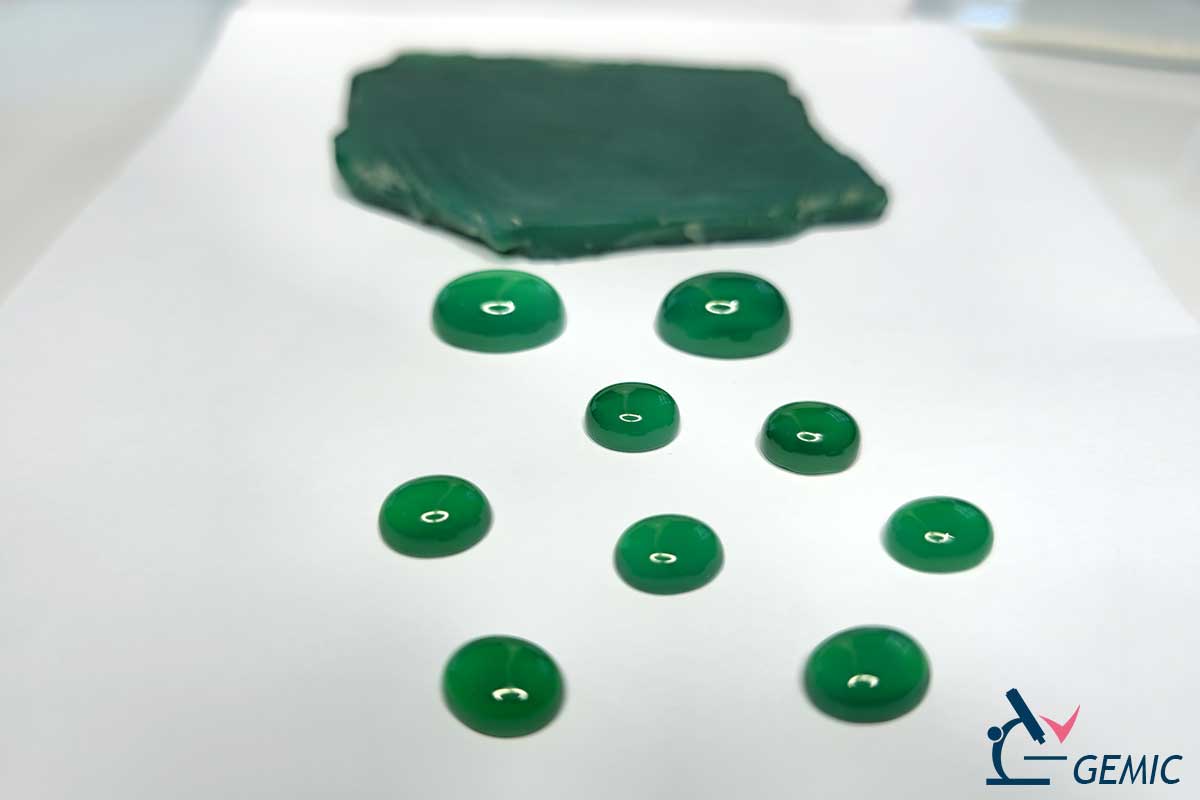
Green agate is a fascinating member of the chalcedony family, a microcrystalline form of quartz renowned for its diverse colors and patterns. The lush hues of this stone evoke verdant landscapes and have captivated gem enthusiasts for centuries. In this article, we explore what makes this gemstone unique, from its geological origins and physical properties to how you can identify, evaluate and care for it.
Throughout history, agates have been prized for their beauty and resilience. Banded agates were first described by the Greek philosopher Theophrastus in the fourth century BCE, and they have since been used in adornment, carvings and trade around the world. While agates occur in many hues, natural green tones are relatively uncommon, making this gem especially intriguing. This guide will provide a balanced overview of what to expect from this gem, the science behind its formation and the best practices for preserving its beauty.
By the end of this article, you will understand how this gemstone is formed, how to recognize its characteristic banding and inclusions, what factors influence its quality and how to care for and evaluate it responsibly. We will also address common questions about authenticity, treatments and how to distinguish this gem from similar materials. Let us embark on a journey into the world of this verdant treasure.
Table of Contents
- What is green agate?
- Key Characteristics and Properties
- Identification and Evaluation
- Types and Varieties
- Quality Factors
- Care and Maintenance
- Buying Guide
- Frequently Asked Questions
What is green agate?
This stone is a green variety of agate, itself a banded form of chalcedony composed of microscopic interlocking quartz crystals. Natural examples owe their color to trace minerals such as celadonite, chlorite or chromium compounds that tint the silica-rich layers green. Because these stones are uncommon in nature, many of the vivid specimens in the gem trade are created by dyeing pale agates, a practice developed in the nineteenth century to enhance duller stones. Regardless of origin, these gems display the signature banding and concentric patterns characteristic of the agate family.
The name agate derives from the Achates River in Sicily, where ancient Greeks first discovered banded chalcedony. Agates form within cavities of volcanic or sedimentary rocks when silica‑rich fluids deposit layers of microcrystalline quartz over long periods. Green agate shares this origin, growing slowly as successive bands of chalcedony precipitate from cooling solutions. Variations in trace elements between layers create the distinctive patterns seen in each specimen, ensuring no two stones are exactly alike.
This gemstone holds both geological and cultural appeal. Collectors value its intricate banding and soothing palette, while gemologists appreciate it as a case study in mineral inclusions and color genesis. Its relative hardness and durability make it suitable for cabochons, carvings and beads. In this section we have covered the basic definition of this gem; the following sections delve deeper into its properties, identification and care.
💎 Key Point: Natural green agate owes its color to trace minerals like celadonite, chlorite or chromium, whereas many bright green specimens are dyed to achieve uniform color.
Key Characteristics and Properties
To appreciate the allure of this gem, it is useful to understand its physical and optical properties. Like all agates, it belongs to the chalcedony group and exhibits certain diagnostic traits on the Mohs scale, in luster and density. In this section we explore green agate properties, highlighting the characteristics that distinguish it from other green gems.
Physical Properties
Physically, agate is composed of bands of cryptocrystalline quartz with occasional inclusions of opal. It shows no cleavage and breaks with a conchoidal fracture. On the Mohs scale it typically ranks between 6.5 and 7, making it hard enough for everyday wear yet softer than quartz varieties like amethyst. Polished agate displays a waxy to vitreous luster and a white streak when rubbed against unglazed porcelain. Its diaphaneity ranges from translucent to opaque, depending on the thickness of individual bands and the presence of inclusions. Specific gravity generally lies between 2.60 and 2.64, giving the stone a satisfying weight in hand.
These green agate properties are key indicators gemologists use when assessing authenticity and quality.
- Hardness: Typically 6.5–7 on the Mohs scale
- Luster: Waxy to vitreous when polished
- Transparency: From translucent to opaque depending on banding
- Specific Gravity: Generally around 2.60–2.64
Optical Properties
Optically, agate is usually uniaxial positive and exhibits a refractive index between about 1.530 and 1.543. Its birefringence is low, up to 0.004, and it shows no pleochroism due to the microcrystalline aggregate nature of chalcedony. Under polarized light, the bands reveal alternating textures of length‑fast and length‑slow chalcedony fibers, sometimes interspersed with thin layers of iron oxides that contribute reddish hues in multicolored agates. In this variety, chlorite or celadonite inclusions can impart a soft mossy tint, while chromium‑bearing varieties display a more vivid emerald tone.
Unlike faceted gemstones that rely on dispersion and brilliance, this gem is appreciated for its patterns rather than optical effects. Some specimens exhibit dendritic or moss‑like inclusions that resemble miniature landscapes, while others show concentric rings or fortification patterns reminiscent of topographic maps. The diversity of these optical features contributes to the gem's enduring fascination and underscores why understanding green agate properties is essential for collectors and gemologists alike.
Dyed green agate

Identification and Evaluation
Identifying and evaluating this gemstone involves assessing its color, pattern and physical properties. Because artificial dyes are commonly used to produce bright green hues, careful examination is needed to distinguish natural specimens from enhanced material. This section provides practical guidance on green agate identification, using both simple observations and professional testing methods.
Successful green agate identification relies on observing natural banding patterns and using simple tools like loupes and refractometers.
Visual Examination
The first step in identifying this variety is visual inspection. Natural stones typically display variegated green tones with subtle variations along the bands. Look for natural irregularities such as slight color zoning, streaks of white or brown and moss‑like inclusions. Uniformly saturated or neon green stones may signal dye treatment, especially if the color concentrates in surface cracks or appears to penetrate deeply and evenly. Observing the stone under different lighting conditions can reveal whether the color shifts or remains constant.
Magnification can help reveal internal features such as growth lines, inclusions and dye concentrations. Under a jeweler's loupe or microscope, natural banding appears crisp and layered, whereas dyed stones might show patches of color seeping into fractures. This gem can sometimes be confused with other materials like jade, aventurine quartz or chrysoprase. Comparing the stone's translucency, surface luster and banding pattern to these materials can help confirm its identity.
Professional Testing Methods
Professional gemologists employ tools like refractometers, polariscope and specific gravity balances to evaluate this gemstone. Measuring the refractive index should yield values around 1.53, consistent with chalcedony. A refractometer reading lower or higher may indicate a different material. Specific gravity tests confirm weight and help distinguish agate from lighter simulants. Ultraviolet fluorescence is generally weak in agate, but strong fluorescence may suggest dye. When in doubt, a gemological laboratory can perform spectral analysis to identify coloring agents and confirm whether a specimen is natural or treated.
| Test Method | What It Reveals | Reliability |
|---|---|---|
| Visual Inspection | Color, clarity, obvious features | Basic |
| Magnification | Inclusions, growth patterns | Good |
| Refractometer | Refractive index | Excellent |
Mastering green agate identification helps collectors avoid confusion with similar green gemstones and supports accurate evaluations.
Types and Varieties
This stone comes in several varieties based on structure, inclusions and color mechanisms. Understanding these categories helps collectors appreciate the diversity within this gemstone family and choose specimens that suit their interests. In this section on green agate geology, we describe the main structural types and highlight notable varieties with green hues.
Studying green agate geology reveals how minerals like chlorite and chromium impart color and helps differentiate between natural and dyed stones.
Understanding green agate geology also reveals how environmental conditions and mineral-rich fluids influence banding patterns and color distribution.
Main Categories
Agates are commonly classified by their banding patterns. Wall‑banded agates display concentric rings that follow the contours of the cavity in which they formed, while level‑banded agates exhibit horizontal layers deposited by gravity. Moss agates lack true banding and instead contain dendritic inclusions resembling moss or ferns. Dendritic agates feature tree‑like inclusions of manganese or iron oxides. Natural green coloration in these types arises when minerals like chlorite infiltrate the chalcedony.
Chrome chalcedony, sometimes marketed as green agate, derives its intense green color from chromium-bearing compounds. This variety, also known as mtorolite or chiquitanita depending on locality, exhibits a rich emerald tone without banding. Plasma is a dark green chalcedony occasionally flecked with red jasper; it has been historically used for seals and intaglios. Dyed stones are perhaps the most common green variety on the market—colorless or pale stones are treated with organic dyes to achieve vibrant hues.
Notable Varieties
Within the spectrum of these stones, some varieties stand out for their unique appearance and origin. Moss agate shows clear chalcedony with green dendrites that resemble foliage. Tree agate is opaque white with green dendritic inclusions and often used for beads and cabochons. Chrome chalcedony offers a uniform, rich green color due to chromium, while dyed stones provide bright, even tones created through human intervention. Understanding these types helps collectors make informed choices.
- Moss agate: Translucent chalcedony with green dendritic inclusions resembling moss
- Tree agate: Opaque white base with green dendritic patterns, often cut as beads
- Chrome chalcedony: Uniform green color from chromium, sometimes called mtorolite
- Dyed green agate: Pale or colorless agate artificially colored for vibrant green hues
Quality Factors
Evaluating the quality of this material involves considering factors beyond mere color. Because no standardized grading system exists for agate, collectors and jewelers rely on visual criteria and personal preference. In this section we examine the key quality indicators and grading considerations that influence the appeal and value of this gem.
Primary Quality Indicators
Color is a primary factor: natural green tones range from pale mint to deep forest hues, often with variations within a single stone. Consistency and pleasant contrast between bands are desirable, while blotchy or uneven coloration may detract from the stone's appearance. Pattern is equally important; distinct and intricate banding, dendritic formations or moss‑like inclusions add visual interest. Transparency also plays a role—semi‑translucent stones with clean bands are often preferred over opaque ones. Finally, the quality of the cut or polish affects how the stone displays its patterns and luster.
⚠️ Important: Many brightly colored stones on the market are dyed to enhance their appearance. Always inquire about treatments and inspect for uniform color saturation to ensure you understand what you are buying.
Grading Considerations
Unlike diamonds or rubies, agates are generally graded on a subjective scale that balances color, pattern and craftsmanship. Experienced lapidaries may categorize stones as commercial, fine or premium based on visual appeal and demand. Natural stones with well‑defined banding or dendritic inclusions typically fall into higher tiers, especially if the color is evenly distributed and unenhanced. Dyed stones can still be attractive, but they are usually valued lower due to treatment.
Size also influences value; larger cabochons or carvings with striking patterns command higher prices. However, internal fractures or unsightly inclusions can reduce durability and aesthetics. When purchasing, examine the stone in natural light and consider whether its overall appearance resonates with you. Remember that personal preference plays a significant role—selecting a piece that speaks to your taste is as important as adhering to general quality guidelines.
Care and Maintenance
Although agate is a durable gemstone, proper care ensures it retains its beauty for generations. This section on green agate care outlines cleaning methods and storage practices suited to this gem and other varieties of chalcedony.
Proper green agate care not only preserves the gem's polish but also protects any color treatments applied to the stone.
Cleaning Methods
Cleaning the gemstone is straightforward because the stone is relatively hard and resistant to most household substances. Warm water with a few drops of mild soap is usually sufficient. Avoid harsh chemicals or ultrasonic cleaners, which may damage the surface or affect dyed stones. After cleaning, rinse thoroughly to remove soap residue and dry with a soft cloth. Regular gentle cleaning helps maintain the stone's luster without introducing scratches.
- Prepare a bowl of lukewarm water with a small amount of gentle dish soap.
- Soak the agate for several minutes to loosen dirt and oils.
- Use a soft brush or cloth to gently scrub the surface and crevices.
- Rinse under clean water and pat dry with a lint‑free cloth.
Storage Recommendations
Proper storage protects this gem from scratches and accidental damage. Because agate ranks around 6.5–7 in hardness, it can be scratched by harder minerals like quartz or topaz. Store each piece separately in a padded compartment or soft pouch to prevent contact with other gemstones or metal settings. Keep your jewelry away from direct sunlight or excessive heat, which could cause some dyed stones to fade.
Avoid exposing this gem to household chemicals, perfumes or cosmetics. Remove rings and bracelets before engaging in strenuous activities that could chip or crack the stone. Periodically check settings to ensure cabochons are secure. With mindful handling and storage, these pieces can remain vibrant for years.
Adhering to green agate care guidelines maintains the stone's appearance and prolongs its life as a cherished collectible.
Buying Guide
When shopping for this gem, informed decisions lead to greater satisfaction. Because this gemstone is often treated, understanding what to look for helps you choose pieces that align with your preferences and budget. This section provides a practical buying guide that covers selection criteria, common treatments and the role of certification.
What to Look For
Start by examining the stone's color and pattern. Natural specimens usually exhibit variations and subtle tonal shifts. Look for interesting banding or dendritic inclusions that add character. Be cautious if the color is unnaturally uniform or intensely vivid, as this may indicate dye. Feel the surface—natural stones often have a slightly waxy feel compared to the glassy texture of imitations like glass or plastic.
Ask the seller whether the stone is natural or treated and, if dyed, whether the color is stable. Ethical vendors should disclose treatments and provide return policies. Evaluate the cut and polish; well‑crafted cabochons show off the pattern and are free from chips. When purchasing beads or strands, check that drill holes are smooth and do not weaken the stone.
Common Treatments
Dyeing is the most common treatment applied to agate. Pale or colorless stones are soaked in solutions containing organic dyes, then heated to fix the color. Heat can also enhance or change the color of some agates, although this is less common for green varieties. Stable dyes result in color that penetrates evenly, while unstable dyes may fade or bleed when exposed to light or moisture. Impregnation with wax or resin is sometimes used to improve polish and fill fractures.
✓ Pro Tip: Purchase this gem from reputable dealers and request documentation. A gemological report from a recognized laboratory can confirm whether a stone is natural or dyed and provide details on its identity and treatments.
Certification Importance
Certification provides peace of mind by verifying a gemstone's identity and disclosing treatments. Labs evaluate physical and optical properties to confirm that a stone is agate and not an imitation. Certificates may specify whether color is natural or enhanced, which influences value. While certification is not mandatory for inexpensive beads, it is recommended for high‑value carvings or collector specimens.
When reviewing a certificate, ensure that it comes from a recognized gemological laboratory. Check that the report lists the gemstone's species as chalcedony or agate and notes any dye or impregnation. Keep the certificate with your stone for future reference. Investing in certified green agate supports transparency and helps maintain a trustworthy gem market.
Frequently Asked Questions
What is the best way to identify green agate?
Identifying this gem begins with observing its color and pattern. Natural stones typically show varied greens with banding or dendritic inclusions, while dyed specimens appear uniformly bright. Use magnification to inspect for dye concentrations and consider refractive index testing for confirmation. Seeking a professional gemological opinion is the most reliable method.
How should I care for green agate?
Caring for this gemstone involves gentle cleaning with warm soapy water, avoiding harsh chemicals and ultrasonic cleaners. Dry your gemstone thoroughly and store it separately from harder minerals. Keeping the stone away from prolonged sunlight helps preserve its color, especially for dyed specimens.
What factors affect green agate quality?
Quality is influenced by natural color variations, distinct patterns and craftsmanship. Natural green tones, crisp banding and interesting inclusions enhance appeal. Stones with minimal fractures and a well‑executed cut command higher value. Dyed stones may be attractive but are typically valued lower.
Are there synthetic versions of green agate?
Yes, synthetic and simulated versions of this stone exist. These materials may be man‑made quartz colored with dyes or polymers designed to mimic natural banding. Some glass or plastic imitations also resemble agate. Always inquire about origin and request certification when purchasing higher‑value pieces.
What treatments are common for green agate?
Dyeing is the most prevalent treatment for this gem. Heat treatment is less common but can darken or intensify the color of some agates. Impregnation with wax or resin is sometimes used to improve polish or stability. Disclosure of treatments is essential for ethical trade.
How can I determine the value of green agate?
The value of this gemstone depends on factors like color, pattern, size and craftsmanship. Natural stones with vivid yet natural greens, distinct banding or dendritic inclusions and high‑quality polish are more valuable. Synthetic or heavily treated stones are generally less valuable.
What is the difference between green agate and similar materials?
This gemstone can be confused with other green materials like jade, aventurine or chrysoprase. Unlike agate, jade has a fibrous structure and different hardness, while aventurine contains sparkling mica inclusions. Chrysoprase is uniformly green due to nickel and lacks banding. Observing banding and testing optical properties helps distinguish them.
Conclusion
This gemstone is a captivating material that embodies the beauty of nature's artistry. Formed over millennia through the deposition of silica‑rich fluids, it features intricate banding, dendritic inclusions and, in rare cases, natural green hues created by minerals like chlorite or chromium. Its physical properties—moderate hardness, waxy luster and varied transparency—make it suitable for a range of lapidary applications, from cabochons to ornamental carvings.
Throughout this guide, we explored how to identify and evaluate this gemstone, reviewed its different varieties and discussed quality indicators. We learned that many vivid specimens are dyed and that natural pieces often show subtle, varied green tones. Proper cleaning and storage ensure that these gems retain their allure. When shopping, ask about treatments and consider certification for higher-value pieces.
Whether you are a collector, jewelry maker or simply curious about the wonders of earth science, this green gemstone offers a window into geological processes and human artistry. Continue exploring gemological resources and consult professionals to deepen your knowledge. With careful appreciation and care, this verdant gemstone can bring beauty and fascination for generations to come.